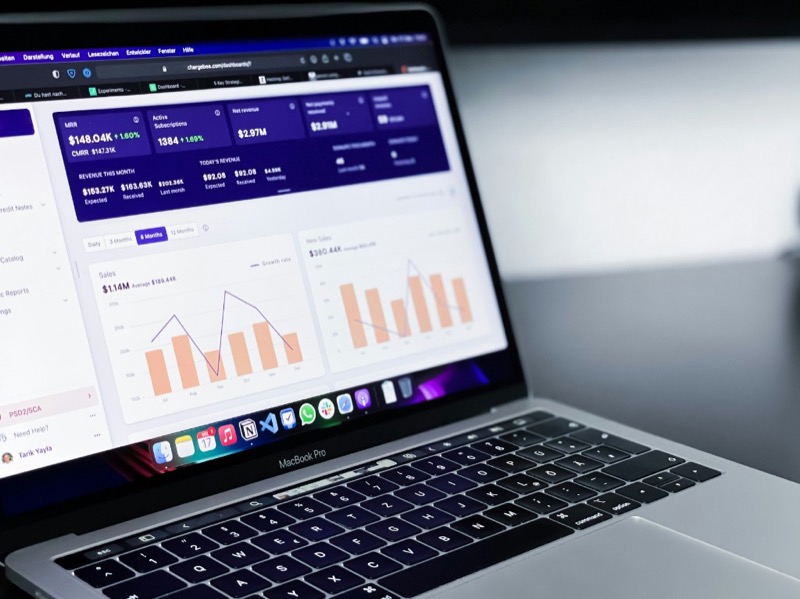
Batas kemampuan dashboard
Dashboard memberi tahu Anda apa yang sudah terjadi: penjualan, backlog, cycle time, kasus pengecualian. Dashboard itu penting. Namun, perannya berhenti di tepi pengambilan keputusan. Tetap harus ada orang yang melihat angkanya, menafsirkannya, lalu memutuskan langkah berikutnya. Celah itu — antara "apa yang terjadi" dan "apa yang harus dilakukan selanjutnya" — adalah tempat AI dapat menambahkan lapisan operasional yang jelas.
Banyak tim punya dashboard berlimpah, tetapi tetap menghabiskan berjam-jam untuk memutuskan apa yang harus ditangani lebih dulu. Hambatannya bukan data, melainkan penentuan prioritas dan pengarahan pekerjaan. Di situlah AI bisa membantu tanpa mengambil alih keputusan itu sendiri.
Mendukung keputusan, bukan menggantikan
Lapisan berikutnya bukan "AI yang mengambil keputusan", melainkan "AI yang memunculkan informasi dan pilihan yang tepat agar orang yang tepat bisa memutuskan dengan cepat". Contohnya, alih-alih laporan yang berbunyi "10 item perlu ditinjau", sistem dapat mengurutkannya berdasarkan risiko atau dampak, menyarankan tindakan, lalu mengarahkannya ke penanggung jawab yang tepat. Manusia tetap memutuskan; sistem mengurangi kebisingan dan penundaan.
Dukungan keputusan paling efektif ketika jenis keputusannya terdefinisi dengan baik: persetujuan, eskalasi, penentuan prioritas, atau penanganan pengecualian. Sistem mempersempit pilihan dan menyoroti hal yang perlu diperhatikan; manusia memberikan penilaian dan berkomitmen pada tindakannya.
Merancang workflow
Pendekatan ini hanya berhasil jika workflow-nya memang dirancang untuk itu. Anda memerlukan kepemilikan yang jelas, pemicu yang terdefinisi (kapan sistem memunculkan sesuatu?), dan aturan kapan persetujuan manusia diperlukan. Tanpa itu, yang Anda dapatkan justru lebih banyak peringatan, bukan keputusan yang lebih baik.
Tentukan pemicunya lebih dulu: "Ketika X terjadi, munculkan ke Y dengan rekomendasi Z." Lalu tentukan tindakan yang mungkin diambil dan siapa yang berwenang mengambilnya. Uji dengan kasus nyata untuk memastikan rekomendasinya berguna dan workflow-nya tidak malah menambah kebingungan.
Titik awal
Cari proses tempat orang menghabiskan waktu setiap hari atau setiap minggu untuk "mencari tahu apa yang harus dilakukan" dari laporan atau daftar. Proses seperti itu adalah kandidat yang baik untuk dukungan keputusan berbantuan AI: menentukan prioritas, memberi rekomendasi, mengarahkan. Setelah itu, ukur cycle time dan kualitas hasilnya, sebelum dan sesudah.
Jalankan pilot pada satu proses dan satu jenis keputusan. Setelah berhasil, Anda dapat menerapkan pola yang sama ke area lain. Tujuannya adalah beralih dari "kami punya datanya" menjadi "kami bertindak berdasarkan data dengan lebih cepat dan lebih konsisten".
Poin penting
Dashboard menunjukkan apa yang sudah terjadi; lapisan berikutnya membantu orang memutuskan apa yang harus dilakukan selanjutnya.
AI dapat menentukan prioritas, memberi rekomendasi, dan mengarahkan pekerjaan — dengan keputusan akhir tetap di tangan manusia.
Rancang workflow dengan kepemilikan, pemicu, dan aturan persetujuan yang jelas agar lapisan ini benar-benar memberi nilai.
Ingin keputusan bisnis yang lebih terukur, termasuk soal lokasi? Hubungi tim Landhep.
Punya kandidat lokasi? Kita cek skornya bersama.
Ceritakan rencana ekspansi Anda, dan kami bantu menilai lokasinya dengan data.
Hubungi kami